By
By
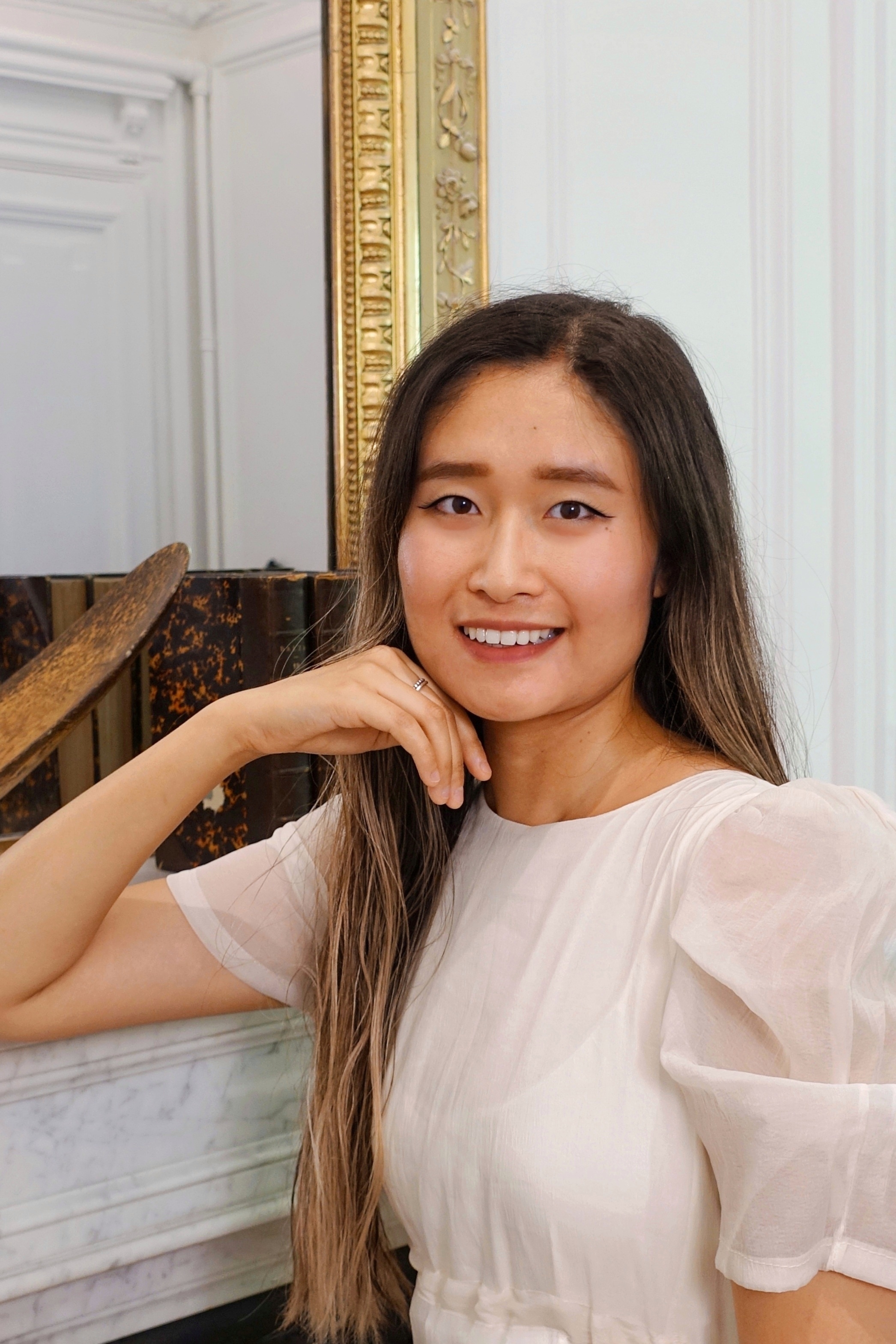
INCAS Junior Expert Amy Zhang recently returned from a three-week research trip to China as part of her PhD work on global cobalt supply chains.
In preparation, she did something quite deliberate: alongside brushing up her professional Chinese, she took private lessons focused on understanding how professional interactions work in a Chinese context.
In this conversation, Amy reflects on why that preparation mattered—and how small details in language, behaviour, and etiquette can shape relationships, trust, and ultimately the quality of the work.
INCAS: What was the purpose of your research trip to China?
Amy: This was a field research trip for a project I’m contributing to as part of my PhD, called “Green Transition: At What Cost?”. My university—the University of Antwerp—is partnering with the University of Bath and the University of Chinese Academy of Sciences to explore how green the global supply chain of cobalt is.
The aim is to understand whether all stakeholders, downstream to upstream, are experiencing a just transition: how green the ‘green’ transition is, who it is green for, and how just it is.
Previously, other team members had conducted fieldwork in the Democratic Republic of the Congo (DRC), and this fieldwork in China complemented that work. Over three weeks, we visited lithium battery and electric vehicle manufacturers, as well as several mining companies—some operating only in China, others also in Indonesia or the DRC.
We were trying to understand what ESG looks like for these companies, what they need from the cobalt that is mined, and what responsible supply chains look like from their perspective.
We met a wide range of stakeholders, including very senior representatives from the private sector and public organisations working with the Chinese government to set ESG standards.

INCAS: You already had a relationship with China before this field visit. What made this trip different?
Amy: I grew up in Canada and now live in France, but I have family in China and visit when I can. Growing up, I spoke Chinese conversationally and kept up the language, but only at that level.
China is a big focus of my PhD, but before this trip, my connection to the country was personal. This was the first time I visited specifically for a professional purpose.
INCAS: You took preparatory classes before travelling. What were you hoping to gain?
Amy: I wanted to better understand how the culture works and how to formulate my questions appropriately in a professional setting. My Chinese was very day-to-day, so I also wanted to improve my professional vocabulary.
But more than that, I felt I needed help constructing sentences in a way that showed sufficient respect and understanding of the cultural context—which is very important in China and functions in a very particular way.
INCAS: What did that look like in practice?
Amy: Some of it comes down to very specific details.
For example, in a professional setting, you don’t simply say “your company”—you say “your esteemed company”. That’s a mark of respect, and it’s important. I didn’t know that before taking these classes.
I also learned that when shaking hands, I should use both hands. If I only used one, it could suggest I’m not fully engaged. Using both hands—one for the handshake and one lightly supporting the arm—shows that I’m present and that I value the interaction.
Seating arrangements are also very structured. The most senior person sits in the middle, the next most senior person to their right, and then the next after that to their left, and so on. It reflects hierarchy very clearly. When you sit down, you understand immediately where you are positioned within that context.
These details may seem small, but they shape how interactions are perceived.
INCAS: How important is it to get these details right?
Amy: My teacher told me that if I made a mistake, people would be understanding because I’m not Chinese.
But it definitely makes a difference to enter a professional setting with some awareness of what’s expected and how to show respect in that context.
INCAS: Did anything in your preparation surprise you?
Amy: I had to learn quite a lot of new vocabulary—especially for academic and professional settings.
Sometimes it was about small shifts. For example, using “as well as” instead of “and”, or choosing a slightly different version of a word to make it more appropriate in a professional context. The meaning is similar, but the tone changes.
These nuances are important, so I had to learn the professional equivalents of words I already knew.

INCAS: You continued lessons during the trip. How did that help?
Amy: I took classes once a week for a month before departure, then twice a week for three weeks, and continued during the trip itself.
That was really valuable because I could reflect on what I was experiencing in real time. I could describe situations to my teacher and ask her to explain what was happening and why.
The classes weren’t just about language—they were about cultural understanding.
For example, tea plays an important role in professional settings. In meetings, tea is always served. If you’re the host, you pour it. As a guest, how you receive it matters—you hold the cup in a certain way to show appreciation and humility, rather than passively waiting to be served.
Again, these are small gestures, but they communicate something important.
INCAS: Did this preparation change how you experienced the fieldwork?
Amy: It gave me a lot of confidence.
I wasn’t thrown off by situations I encountered because I had some understanding of the context. That made it much easier to focus on the substance of the meetings.
I knew when it was appropriate to speak, how to position my questions, and how to engage without feeling overconfident or underconfident.
Sometimes I also observed colleagues using very strategic or diplomatic communication approaches. Afterwards, I could discuss these with my teacher and better understand the thinking behind them.
INCAS: What are your main takeaways from this experience?
Amy: I think it’s extremely important to have cultural flexibility and a genuine interest in understanding the values of the place you’re working in.
In China, going into meetings with humility really helps. It creates a more open dynamic. If your approach is too direct, it can come across as aggressive.
Being open and respectful made a difference. Our meetings often ended with companies showing interest in our work, being open to continued exchange, and connecting us with colleagues in other countries.
Amy’s experience is a reminder that intercultural communication is not just about language proficiency. It is about attention, humility, and a willingness to understand how others work and relate.
In practice, these small signals of respect can shape the tone of an entire engagement—making space for stronger relationships, more open dialogue, and more meaningful outcomes.